November 25, 2026
Building a backyard swimming pool transforms your property into a private oasis for relaxation, exercise, and family gatherings. Choosing between concrete and vinyl construction requires careful planning, because each material carries distinct financial and lifestyle implications. According to Jobera, roughly 8% of American households feature a residential swimming pool, reflecting steady nationwide enthusiasm for backyard recreation. Understanding how these two popular pool types compare in cost, durability, and customization will help you select the ideal fit for your yard.
Compare Initial Installation Costs
Budget remains the primary deciding factor for most families researching backyard swimming pool construction. Concrete pools typically cost between $50,000 and $100,000 because they require heavy excavation, steel reinforcement, and specialized masonry labor. Homeowners willingly pay this premium for unmatched structural permanence and high property resale appeal. If your household budget favors a lower upfront investment, exploring alternative construction methods makes financial sense before breaking ground. Furthermore, considering long-term costs and potential property value increases can guide in making an informed decision.
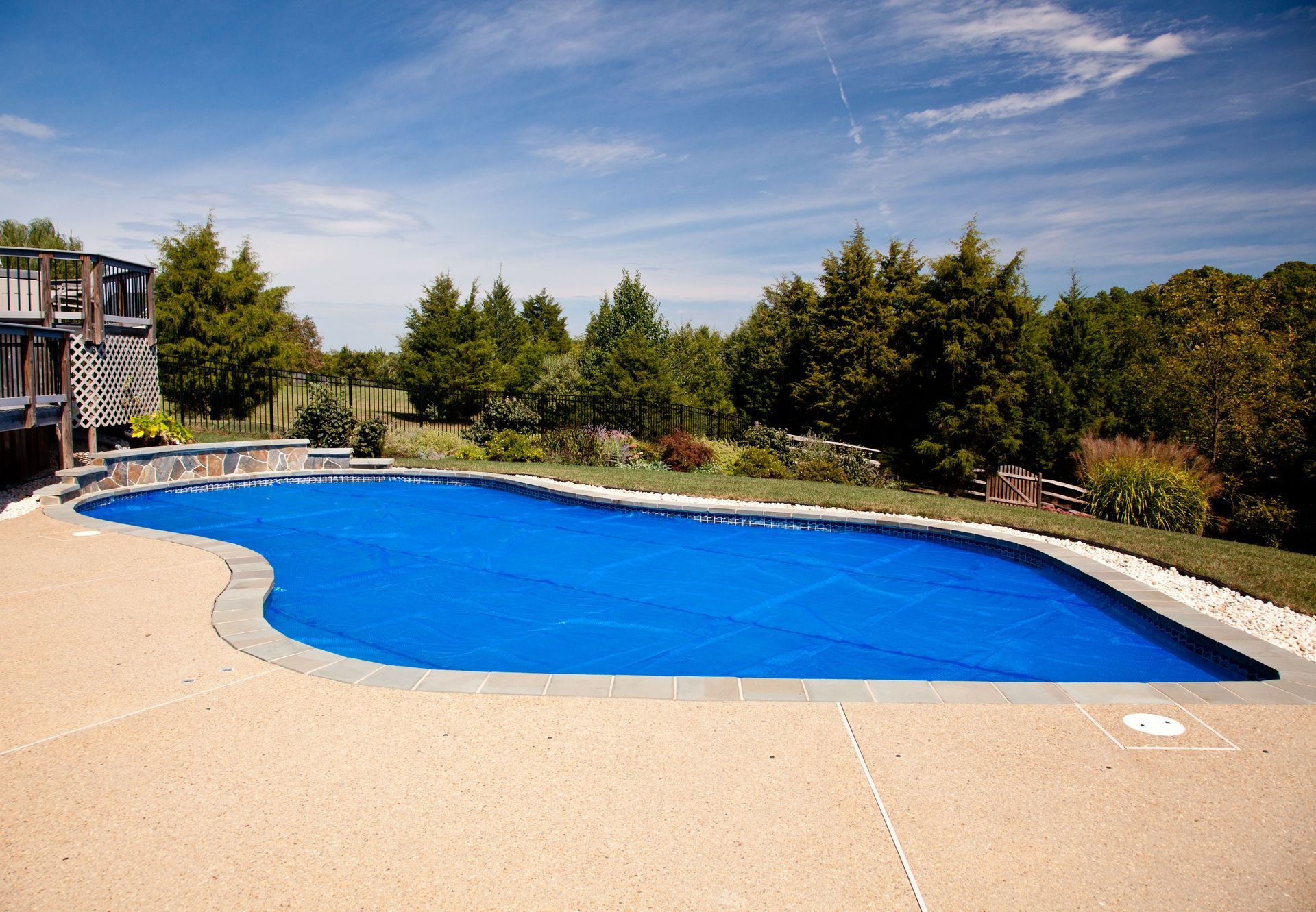
Vinyl liner pools offer a much more accessible entry point, generally costing between $25,000 and $50,000 to install completely. Builders assemble prefabricated wall panels over a prepared base before fitting a custom vinyl membrane inside the structure. While initial construction saves thousands of dollars, you must budget roughly $4,000 every seven to ten years for liner replacements. Consulting a knowledgeable pool supply company early in your planning phase helps clarify both immediate building costs and future replacement expenses. Additionally, flexibility in design and installation allows vinyl pools to adapt to various backyard sizes and landscapes.
Plan Your Construction Timeline
Patience plays a major role when scheduling a concrete pool installation in your backyard. Building a custom concrete structure takes anywhere from three to six months from initial excavation to final water fill. Weather delays, curing periods, and intricate tile work frequently extend construction schedules during peak spring and summer building seasons. Families who want to swim by June must initiate contracts and permitting during the preceding autumn or winter. Therefore, thorough planning and communication with construction teams can significantly optimize timelines and avoid potential delays.
Vinyl pools deliver a dramatically faster turnaround, usually requiring only three to eight weeks for complete installation. Because manufacturers fabricate the wall components off-site, local crews spend far less time excavating and assembling the basin. Shorter construction windows minimize yard disruption and allow families in northern climates to maximize their brief summer swimming seasons. Your trusted pool supply company can help coordinate equipment deliveries so your water chemistry is balanced the day construction finishes. Quick installations also mean you can enjoy your backyard oasis sooner, bringing fun and relaxation right to your doorstep.
Evaluate Long-Term Durability
Concrete stands as the undisputed champion of swimming pool longevity, easily lasting fifty years or longer with proper structural care. Its thick masonry shell resists damage from sharp objects, heavy swimmer traffic, and severe freeze-thaw weather cycles. However, concrete surfaces remain porous and require acid washing and complete replastering every ten to fifteen years to prevent roughness. Partnering with a reliable pool supply company ensures you have the right masonry sealers and balancing minerals to protect that finish. Thus, regular maintenance and quality materials are key ingredients in sustaining your investment long-term.
Vinyl pools provide a respectable lifespan of roughly twenty years for the underlying wall structure, though the liner itself wears faster. Sharp pet claws, fallen tree branches, and harsh ultraviolet rays gradually degrade the flexible vinyl membrane over time. Fortunately, replacing an aging liner instantly refreshes the entire appearance of your pool without requiring major structural demolition. Stocking up on gentle sanitizers from your local pool supply company prevents chemical bleaching and extends the life of every liner. Ultimately, vinyl liners offer a cost-effective way to maintain a pristine pool appearance over the years.
Review Ongoing Maintenance Needs
Owning a concrete pool demands consistent weekly attention to keep water chemistry balanced and porous surfaces algae-free. Because plaster naturally raises water pH levels, owners must regularly test alkalinity and brush the walls to prevent stubborn staining. Routine brushing and vacuuming consume extra time each week, though automated robotic cleaners significantly reduce manual labor. Visiting a neighborhood pool supply company simplifies water testing and provides targeted treatments to keep concrete walls spotless.
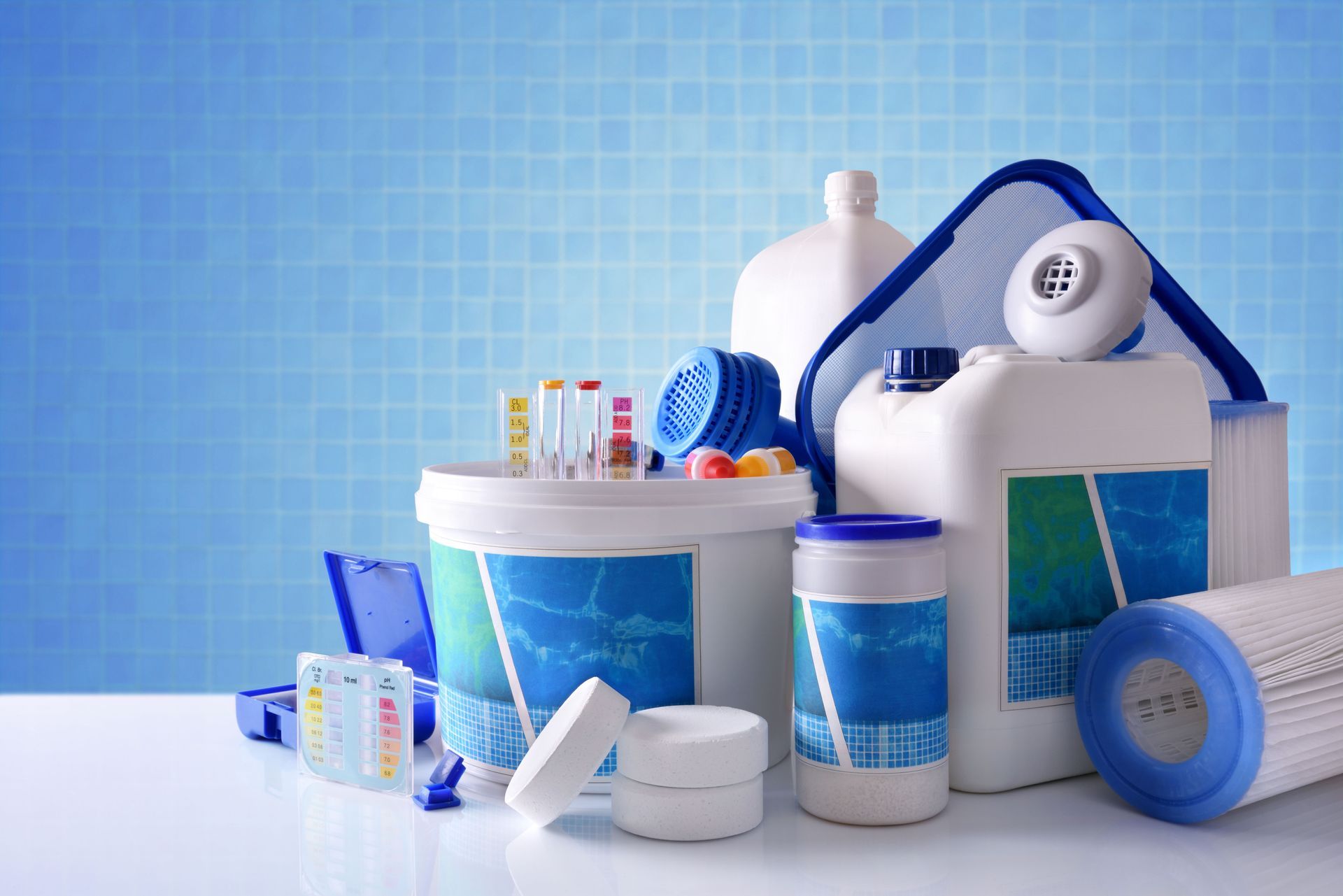
Vinyl liners feature a smooth, non-porous surface that naturally discourages algae growth and requires fewer weekly balancing chemicals. You will spend less time scrubbing walls and less money on sanitizers compared to maintaining a rough plaster interior. However, vinyl demands extra caution when using manual brushes or vacuum heads so you never puncture the delicate membrane. An experienced pool supply company will recommend vinyl-safe cleaning tools and gentle chemical formulas tailored specifically for liner protection.
Explore Custom Design Options
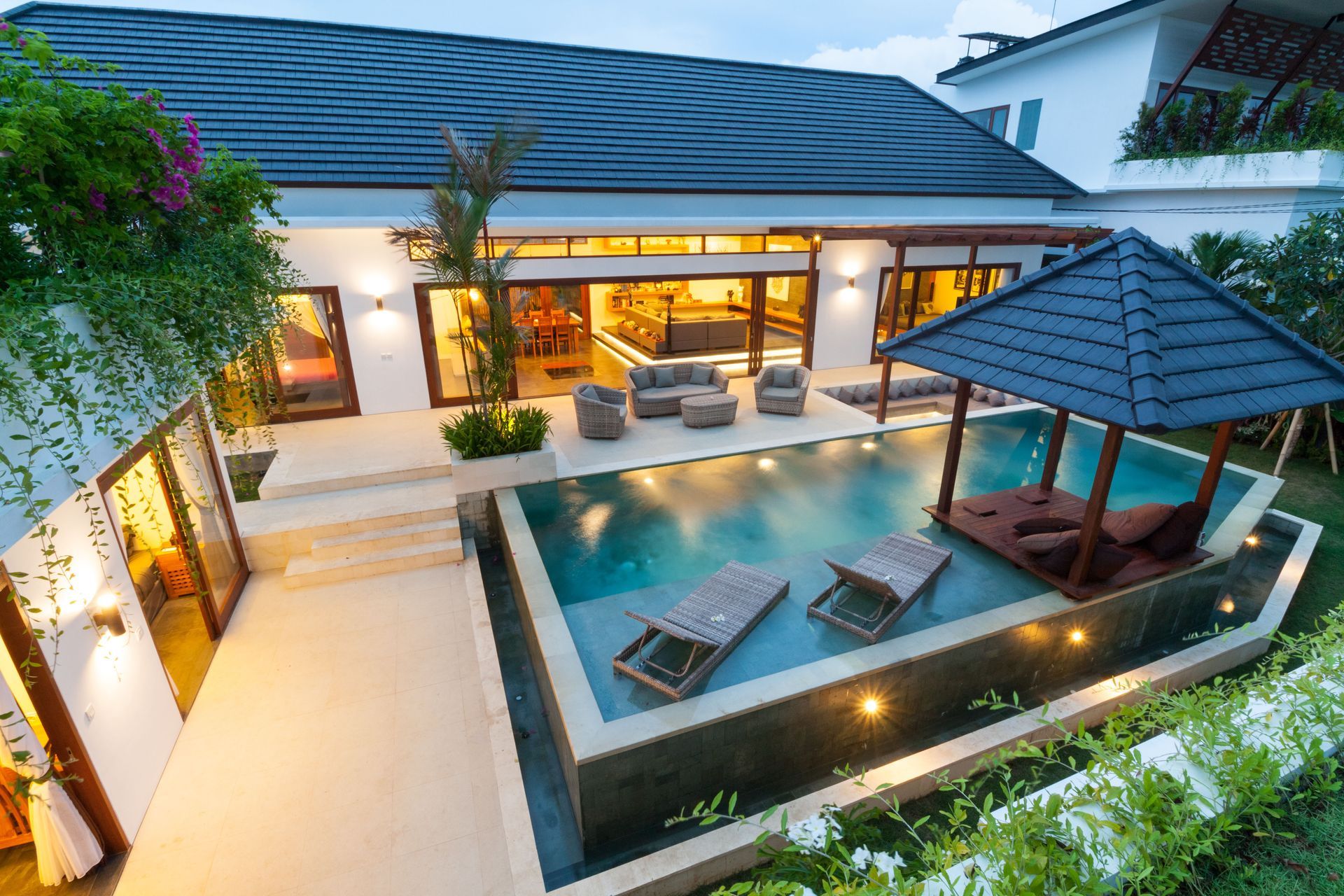
Concrete gives homeowners complete architectural freedom to design virtually any shape, depth, or luxury feature imaginable. Builders can sculpt freeform lagoons, zero-entry beach slopes, tanning ledges, and integrated spillover spas directly into the shell. You can also personalize the interior aesthetic using vibrant glass tiles, natural river pebbles, or colored quartz plaster finishes. If your backyard features steep slopes or tight property lines, concrete adapts effortlessly to challenging terrain. This flexibility makes concrete the preferred choice for creating dynamic and unique poolscapes that match your personal style.
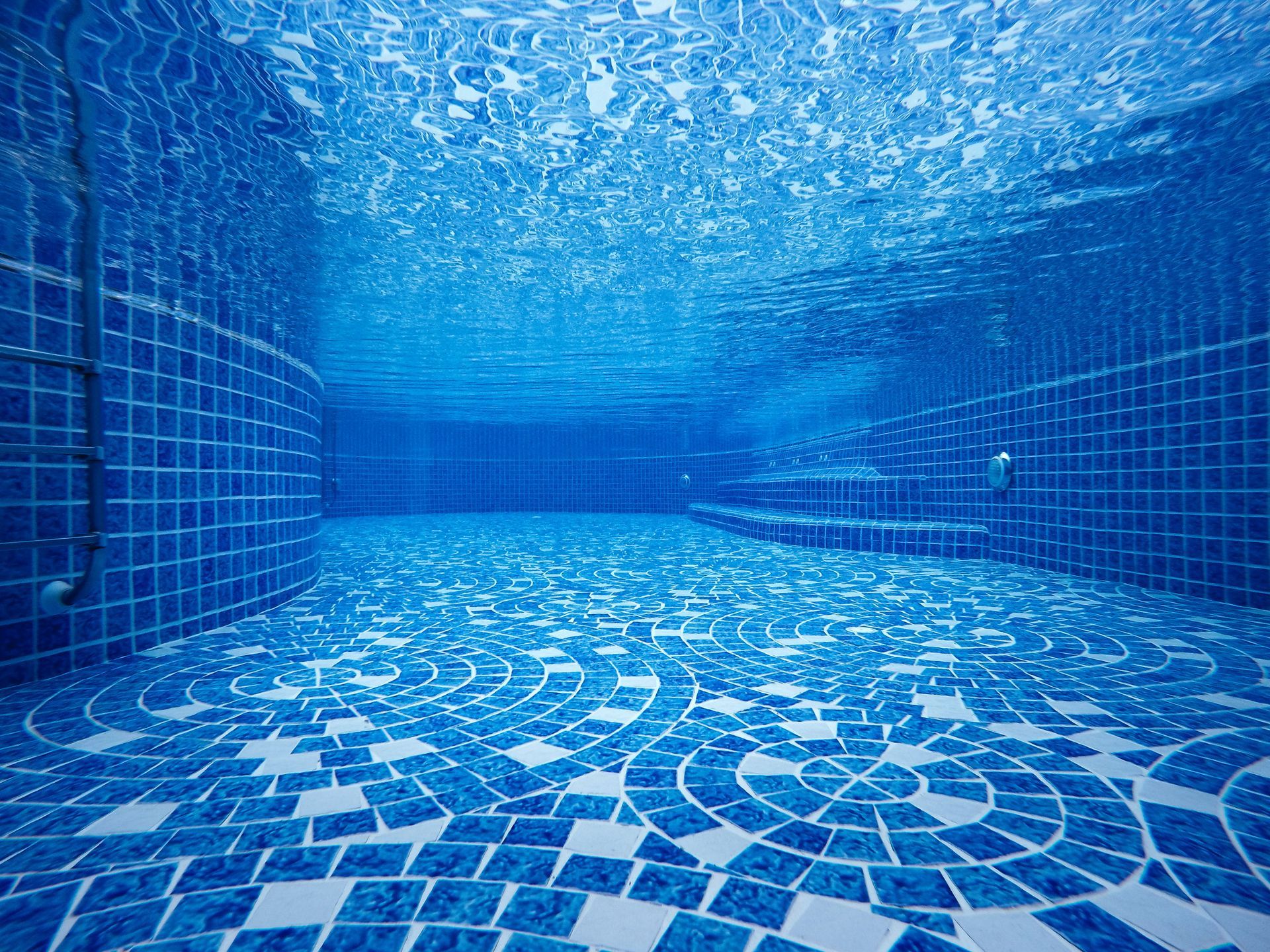
Vinyl pools rely on modular wall panels, which historically limited homeowners to standard rectangles, ovals, and kidney shapes. Modern manufacturing now allows greater variety, including custom steps, built-in benches, and decorative patterned liners that mimic mosaic tile. Despite these advances, vinyl still cannot match the limitless sculptural freedom or bespoke luxury finishes of poured concrete. Reviewing sample books at a regional pool supply company lets you compare vibrant liner patterns against classic plaster textures in person. These advancements in vinyl design offer cost-effective flexibility while adding aesthetic variances to traditional pool structures.
Weigh Comfort and Family Safety
Swimmers often notice an immediate difference in underfoot comfort when comparing vinyl and concrete pool interiors. Vinyl liners feel smooth and slightly cushioned beneath bare feet, preventing scraped knees and stubbed toes during active water games. Families with young children appreciate this gentle surface, which makes pool steps and shallow play areas much more forgiving. Given these attributes, vinyl pools promote a family-friendly environment that encourages playful interaction and safety.
Concrete interiors feature a noticeably rougher texture, especially as plaster ages over several swimming seasons. While textured finishes provide excellent slip resistance on stairs, energetic swimmers occasionally experience minor abrasions on feet and elbows. Upgrading to smooth pebble or polished aggregate finishes improves comfort considerably, though these premium materials increase your initial construction budget. A dedicated pool supply company can also supply soft pool mats and protective gear to keep swimmers comfortable all summer. These options help to enhance the swimming experience, ensuring safety without sacrificing style or comfort.
Choosing between concrete and vinyl ultimately depends on your budget, timeline, and long-term vision for your property. Concrete rewards patient homeowners with unmatched durability, luxury customization, and lasting real estate value, while vinyl delivers rapid installation, smooth comfort, and lower upfront costs. Whichever construction style fits your backyard best, keeping your water crystal clear and equipment running smoothly requires dependable local support. Contact Werth Water Works today to explore expert water care solutions, quality equipment, and personalized guidance for your dream swimming pool. We are dedicated to helping you maintain your pool's beauty and functionality, ensuring your investment provides years of enjoyment.